

To Chant or not to Chant? That is the Question
Not quite a question of life or death, but one that warrants more thought than it is sometimes given.
Chanting occupies an interesting position within contemporary yoga. For some practitioners, the sound of Om or a Sanskrit mantra is an integral part of practice; for others, it can feel unfamiliar, religiously or culturally specific, or even uncomfortable.
So perhaps the question is not simply whether we should chant, but rather: What are we doing when we chant, where does this practice come from, and what relationship does it have to Yoga?
And before we go any further, there is another question worth asking:
Yoga isn't a religion… is it?
Yoga, Religion and Philosophy
The answer, as is so often the case with Yoga, is not entirely straightforward.
Yoga is frequently presented in the West as a secular system of physical exercise. The contemporary yoga class may consist almost entirely of asana (physical postures), breathwork and relaxation, with little reference to the philosophical and/or religious traditions from which these practices both emerged and evolved.
Yet historically, Yoga cannot be easily separated from the intellectual and spiritual traditions of the Indian subcontinent.
Yoga developed within a complex philosophical environment that included Hindu, Sikh, Buddhist and Jain traditions, among others. Its history is therefore neither singular nor easily reduced to one religious tradition.
Patanjali's Yoga Sutras, for example, present Yoga as an eight-limbed discipline. Asana—the physical postures with which modern practitioners are most familiar—is only one of those eight limbs. Dhyana (meditation), Dharana (concentration), Pratyahara (withdrawal of the senses), the Yamas (restraints) and Niyamas (observances), and ultimately Samadhi (meditative absorption) form a much broader philosophical and contemplative framework. This makes the modern assertion that "Yoga isn't a religion" both useful and potentially misleading.
Yoga is not synonymous with any single religion. But neither is it historically devoid of religious, spiritual or metaphysical dimensions.
Perhaps this distinction is important when we consider chanting.
Why Chanting?
In many traditional Indian contexts, chanting is not regarded as an unusual addition to Yoga. It may form part of the beginning or conclusion of a class or practice.
Importantly, chanting is not necessarily understood simply as making a sound. A mantra may carry linguistic, philosophical, devotional and contemplative significance. Its meaning, pronunciation, rhythm and repetition can all be considered part of the practice.
This raises an important issue for contemporary yoga teachers.
Do we understand what we are asking our students to chant?
It is entirely possible to reproduce the sounds of a mantra without understanding its meaning, origin or context. In doing so, something potentially profound can become little more than a ritualised sequence of syllables.
This is particularly relevant because many contemporary yoga teachers have themselves been trained within systems where chanting, Sanskrit pronunciation or mantra practice received little attention.
We can therefore end up with an interesting paradox: teaching an ancient practice without necessarily understanding the cultural or philosophical framework from which it emerged.

Cultural Appropriation and Cultural Amnesia
There is also a legitimate conversation to have about cultural appropriation.
Yoga has travelled remarkably successfully across the world, allowing millions of people to benefit from its physical, psychological and contemplative practices. Yet globalisation can also result in traditions being selectively adopted, simplified or detached from their historical context.
There is a distinction, however, between cultural appropriation and cultural appreciation.
Learning about a tradition, acknowledging its origins, understanding its terminology and approaching its practices respectfully does not necessarily constitute appropriation. In fact, refusing to acknowledge those origins may arguably be more problematic.
For teachers, this creates an ethical responsibility.
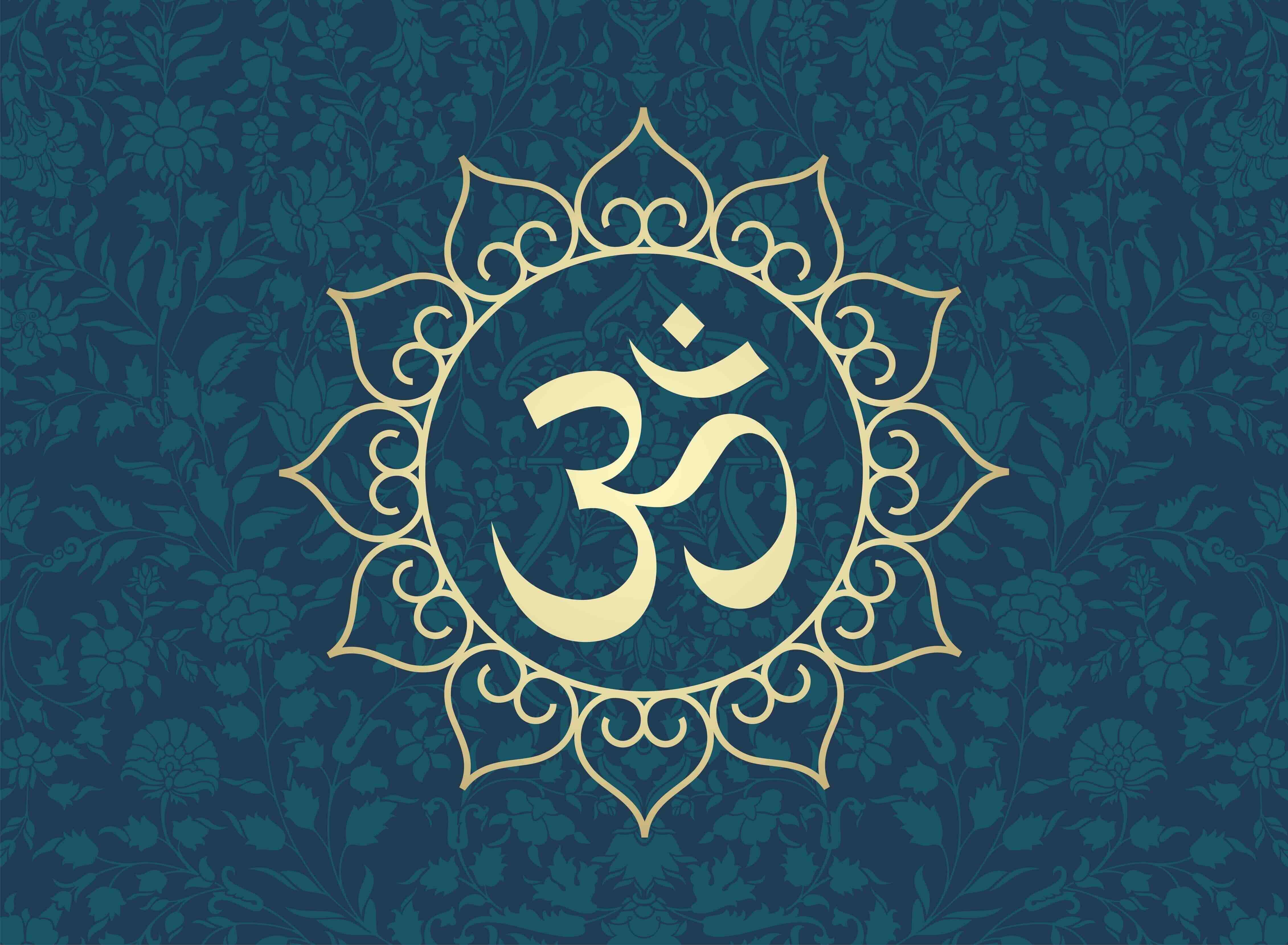
If we introduce Om, a Sanskrit mantra or another traditional chant into a class, students deserve more than simply being told to repeat it. They should have the opportunity to understand what they are saying, where it comes from and why it might be included within the practice.
And they should also be free not to participate.
What About Other Religions?
This brings us back to the question of why we rarely encounter equivalent practices from other religious traditions in a yoga class.
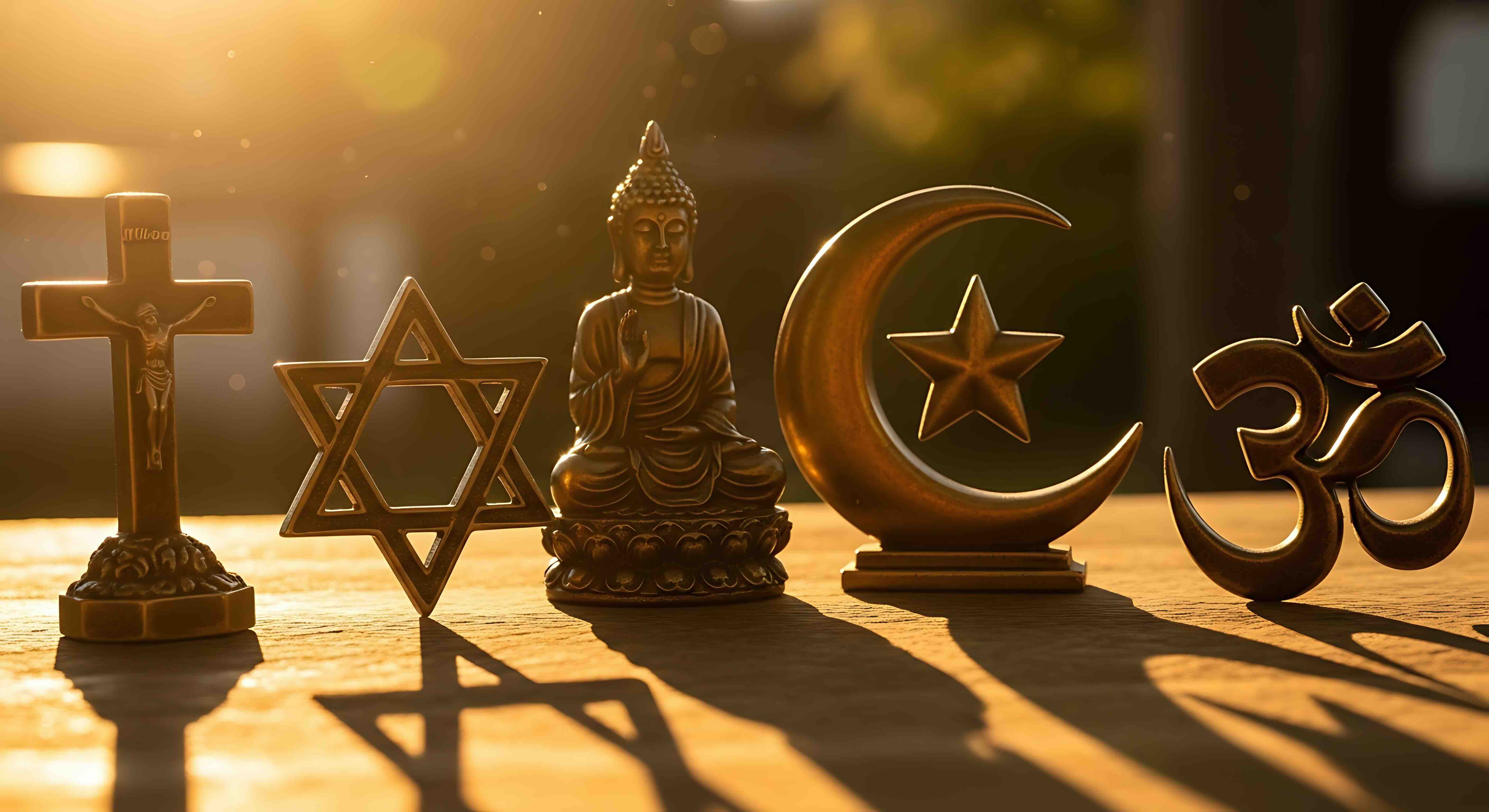
It is unlikely that a typical yoga class would open with a Muslim, Christian, or Jewish prayer.
Why?
Part of the explanation is historical. Yoga emerged within the cultural and philosophical landscape of the Indian subcontinent, so Sanskrit terminology, mantra and certain contemplative practices have an organic relationship with particular streams of Indian philosophy and religion.
The same historical relationship does not exist between Yoga and Christianity, Judaism or Islam.
This does not mean that Yoga belongs exclusively to Hinduism or other Indian religions, nor does it imply that people of other faiths cannot practise Yoga. It highlights the importance of understanding historical context rather than assuming that all spiritual practices are interchangeable.
Not Every Yoga Class Needs to Chant
There is another consideration: contemporary Yoga is extraordinarily diverse.
A traditional Mysore practice, a restorative class, a Vinyasa flow, a strength-focused class and a modern movement-based approach may all use the word "Yoga" while operating with very different intentions.
There is no requirement for every class to reproduce every historical element of Yoga.
Indeed, attempting to do so without understanding the practices involved could be less authentic than thoughtfully choosing what is appropriate for a particular class.
The absence of chanting does not necessarily make a class less yogic.
Equally, its presence does not automatically make a class more authentic.
So, To Chant or Not to Chant?
Perhaps the more interesting question is not whether chanting belongs in Yoga, but how we engage with it.
Teachers should teach what they understand. Students should practise what they understand and feel comfortable practising.
That means creating space for curiosity rather than conformity.
If we chant, we should know why.
If we choose not to chant, we should understand what we are choosing to leave out.
And perhaps most importantly, we should resist the temptation to reduce Yoga either to a purely physical exercise system or to a religious practice. Yoga's history is more complex—and more interesting—than either description allows.
Chanting is undeniably part of the historical and philosophical landscape of Yoga. It is not something that has been artificially added to the practice by modern yoga teachers.
Whether we choose to use it in our own practice is another matter.
But perhaps that is precisely the point.
Yoga invites us to enquire.
And sometimes, the most valuable part of the practice is not finding an immediate answer, but having the courage to ask a better question.
Dr Gurdeep Singh Athwal
gurdeep@deepyoga.co.uk